Column · @stephennxqs463
Why Early Consultation Matters for Dental Implants
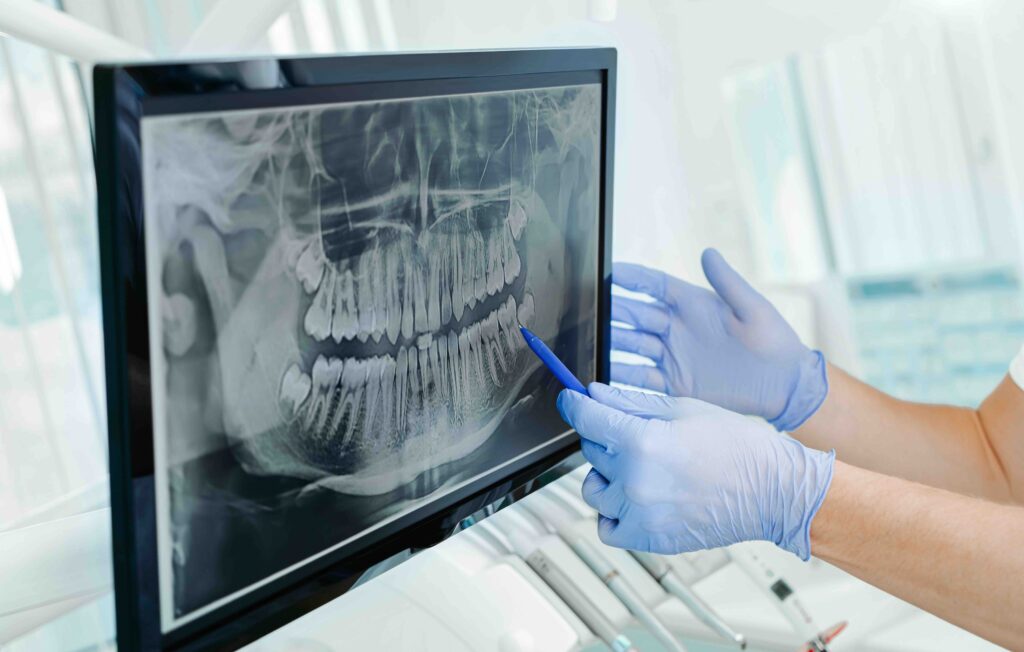
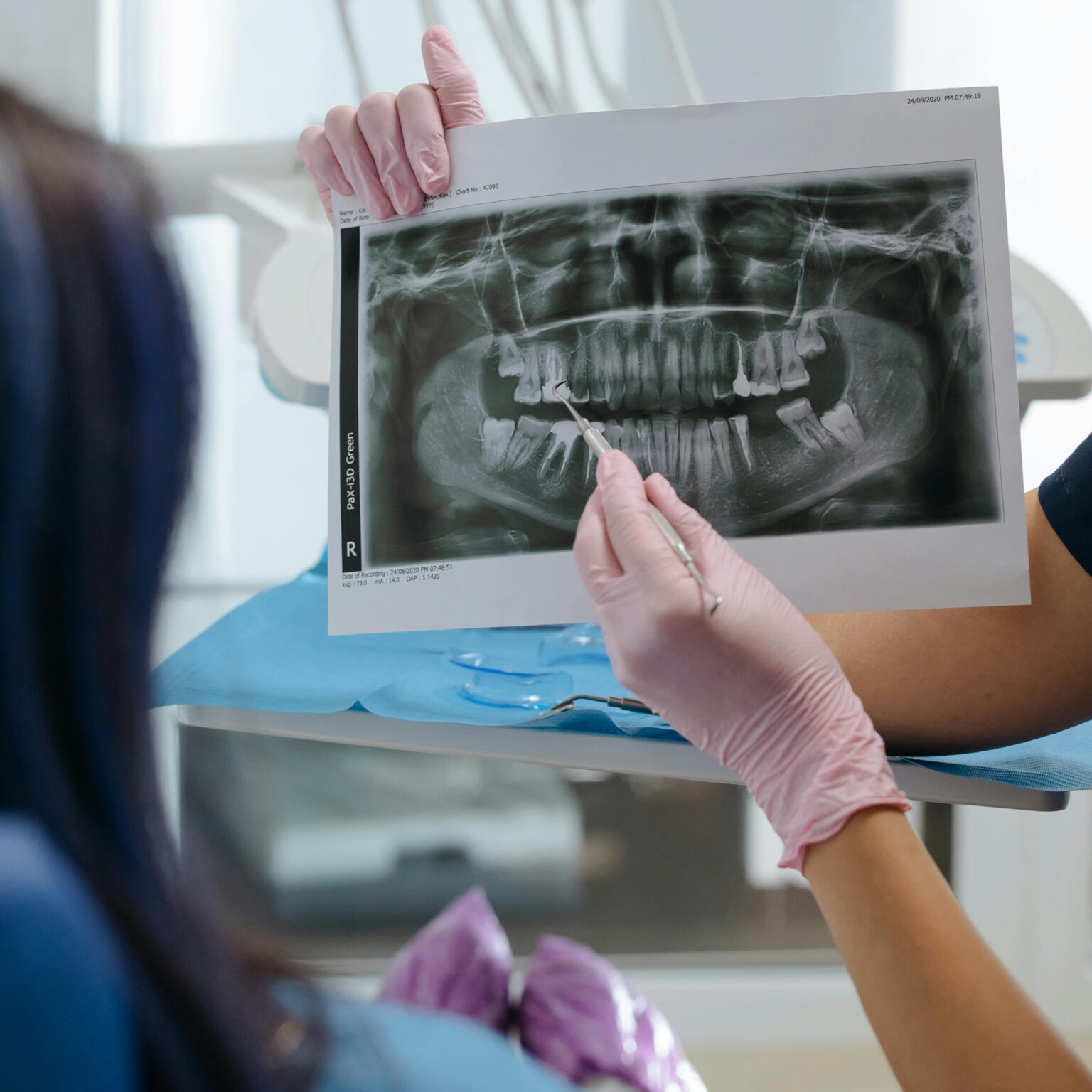
People often think of dental implants as a final step, something to look into once a tooth has been missing for a while or once a denture has become too frustrating to tolerate. In practice, the best time to start the conversation is usually much earlier. Not because everyone needs immediate treatment, and not because every missing tooth requires an implant, but because timing shapes options.
An early consultation does not lock anyone into surgery. It does something more useful. It gives a clear picture of bone health, gum condition, bite forces, neighboring teeth, medical considerations, and the realistic path from where someone is now to where they want to be. That information matters whether the patient moves ahead next month, next year, or chooses a different solution entirely.
In restorative dentistry, delays are not always neutral. A missing tooth changes the mouth over time. Bone in the area can shrink. Nearby teeth can drift. The opposing tooth may begin to over-erupt. Habits such as clenching can become more significant once support changes in the bite. None of this means disaster is inevitable. It means the problem tends to evolve, and treatment planning works best when it is based on the earliest possible understanding of that evolution.
The mouth starts changing sooner than most people expect
After a tooth is lost or extracted, the body begins remodeling the jawbone in that area. Bone exists in part because it is needed. When the root is no longer present, the stimulation that helped maintain that bone also changes. This is one reason clinicians often talk about timing when discussing Dental Implants. It is not sales pressure when handled properly. It is biology.
The speed of bone loss varies. Some patients maintain decent volume for quite a while, especially if the extraction was atraumatic and the surrounding tissues were healthy. Others lose width or height faster than expected, particularly if there was infection, gum disease, a fractured tooth, or a long-standing gap before evaluation. The upper back jaw has its own challenges because of the sinus. The lower back jaw presents different limitations, often related to the inferior alveolar nerve. Early imaging helps sort out those details before treatment becomes more complex.
I have seen cases where a patient came in within a few weeks of losing a front tooth, anxious but still in a favorable position. There was enough bone to discuss immediate or early implant placement, provisionalization was possible, and the esthetic outcome had a strong chance of being excellent. I have also seen people wait several years, not because they were neglectful, but because life was busy or finances were tight. By the time they returned, the site had narrowed so much that grafting became necessary before an implant could even be considered. The final result could still be good, but it took more appointments, more healing time, and usually more money.
That is the practical value of consulting early. Even when treatment is postponed, patients can make an informed decision with a realistic understanding of what waiting may cost them in options.
An implant plan is rarely just about the missing tooth
A common misconception is that replacing one tooth is a purely local problem. It often is not. A single missing molar can alter chewing patterns. A missing front tooth affects speech, smile support, and confidence. Several missing teeth can change how the jaw closes and how forces are distributed across the remaining teeth. If someone is considering Dental Implants, the implant site itself matters, but so do the surrounding systems.
A careful consultation looks at the whole picture. Gum health must be stable. Active periodontal disease can compromise any restorative treatment if it is not addressed first. Existing crowns, fillings, and wear patterns need review. If the bite is unstable, placing an implant into that environment without broader planning can create trouble later. Unlike natural teeth, implants do not have the same periodontal ligament cushioning, so force management matters a great deal.
This becomes especially important in patients who grind or clench. Bruxism does not automatically rule out implants, but it changes design decisions. Crown shape, material choice, implant diameter, splint use, and occlusal scheme may all need adjustment. That is exactly the kind of detail an early consultation uncovers. Waiting until the patient is desperate for a quick fix narrows the time available for these decisions and sometimes leads to compromises.
The first conversation often prevents rushed choices
When pain, embarrassment, or a failing bridge pushes someone to seek care urgently, the emotional pressure is high. Under those conditions, people may focus on the first treatment that sounds fast. Fast is sometimes appropriate. Often it is not.
An early consultation creates distance from panic. A patient who understands the likely sequence of extraction, grafting, healing, implant placement, integration, and final restoration tends to make better choices than someone hearing these concepts for the first time on the day a tooth must come out. Some sites support immediate implants. Others do not. Immediate placement can be excellent in the right anatomy with controlled infection and intact socket walls. It can also be a poor choice if the tissue is inflamed, the bone is deficient, or the implant position would be compromised for the sake of speed.
That distinction is one of the biggest benefits of early evaluation. It lets the clinician explain not only what can be done, but what should be done.
Bone grafting is not a failure, but early planning may reduce the need for it
Many patients hear "bone graft" and assume something has gone wrong. In reality, grafting is a common and useful tool. It can preserve a site after extraction, rebuild width, support sinus elevation, and improve long-term implant stability and esthetics. Still, if bone can be preserved early, treatment may become more straightforward.
Socket preservation is a good example. When a tooth needs extraction and the patient even suspects they may want an implant later, that is worth discussing before the tooth is removed. Preserving the socket with graft material and a membrane can help limit ridge collapse. It does not freeze the bone in place forever, and outcomes vary by anatomy and healing, but it often gives the future implant a better starting point than extraction alone.
This matters especially in visible areas. The front of the upper jaw is unforgiving. Small tissue changes that look insignificant on a scan can have major esthetic consequences in a smile. A delayed consultation after the ridge and gum architecture have already collapsed may still end well, but the path back is longer and technically harder.
Medical history can change timing more than patients realize
Implant dentistry is not performed in isolation from general health. Early consultation is valuable because it brings medical factors into the plan before treatment dates are on the calendar. Diabetes control, smoking or vaping, autoimmune conditions, osteoporosis treatment, prior radiation to the jaws, anticoagulant use, and even severe dry mouth can all influence healing and risk.
This does not mean patients with medical conditions cannot receive Dental Implants. Many do very well. It means the sequence may need adjusting. A patient with poorly controlled diabetes may benefit from coordinating care with a physician and improving glycemic control before surgery. A smoker who is not ready to quit entirely may still be counseled to reduce tobacco exposure during the most critical healing period. Someone taking antiresorptive medications may need a more nuanced risk discussion depending on the drug, dose, route, and duration.
None of these are reasons to delay the conversation. They are reasons to have it early.
Younger adults and older adults both benefit from starting sooner
The phrase "dental implants" sometimes conjures one mental image: an older adult replacing teeth after years of wear or disease. That is only part of the story. Younger adults often need implant consultations too, after trauma, congenital absence of teeth, or failed endodontic treatment. In these cases, timing can be delicate.
A teenager who has not completed jaw growth may not be ready for an implant yet, especially in the esthetic zone. But that does not mean they should wait silently until some future birthday. Early planning can coordinate orthodontics, space maintenance, temporary solutions, and eventual implant positioning. If no one maps this out in advance, the final restorative phase can become much more difficult.
Older adults bring different considerations. Existing bone quality may vary. Medications are more common. Dexterity and hygiene routines matter. Sometimes a patient has lived with a loose lower denture for years and assumes instability is just part of aging. An early implant consultation can be transformative here, particularly when two or four implants could stabilize a prosthesis and dramatically improve day-to-day function. Yet even in these cases, earlier is usually easier. The longer a denture-bearing area resorbs, the harder retention and implant placement can become.
Costs are easier to manage when there is time to plan
Implant treatment is an investment, and patients deserve straightforward conversations about cost. One of the least appreciated benefits of early consultation is financial clarity. People often avoid the consult because they worry they will be pressured into something expensive. A good consultation should do the opposite. It should clarify what is urgent, what is optional, what can be phased, and where delaying could add future expense.
For example, replacing a missing molar may seem easy to postpone because it is less visible. But if the adjacent teeth tip into the space over time, the eventual treatment may involve orthodontic uprighting, crown adjustment, or a redesigned restorative plan. The delayed cost is not only biological, it is financial. Similarly, preserving bone at the time of extraction may add cost upfront but prevent a much larger grafting procedure later.
Patients usually feel more in control when they can compare timelines rather than just prices. A phased plan often works well. Stabilize disease first. Extract non-restorable teeth. Preserve or graft key sites. Reassess healing. Place implants as finances allow, without losing the strategic advantage of having planned early.
What a strong implant consultation should cover
Not every consultation needs to be lengthy, but it should be thorough enough to answer the questions that actually matter. In a well-run implant evaluation, several themes come up consistently:
- the reason the tooth was lost, because infection, fracture, trauma, and periodontal disease create different treatment conditions
- the current state of bone and soft tissue, often assessed with exam findings and 3D imaging when appropriate
- the patient’s bite, habits, and smile line, which influence implant position and final crown design
- medical and lifestyle factors that affect healing, including smoking, diabetes control, and medication history
- the realistic sequence, timeline, and cost range, including whether grafting or temporary solutions are likely
That level of discussion gives patients something solid to work with. It turns a vague idea into a clinical plan.
Early consultation also protects esthetics
Function often drives the decision to replace missing teeth, but appearance is inseparable from function in many cases. This is most obvious in the front teeth, where a few tenths of a millimeter in gum level can change the visual outcome. The public tends to think of implants as artificial roots topped with crowns. Clinicians know the soft tissue is equally important. The gum frame is what makes a front implant look natural or obviously restored.
If a patient loses a front tooth and waits too long for evaluation, the gum contour can flatten or recede. Papillae between teeth may shrink. The ridge can collapse inward. Even with advanced grafting and careful provisionalization, recreating what nature once provided is difficult. Not impossible, but difficult. This is why early consultation matters so much in visible areas. The earlier the tissue is assessed and protected, the better the chance of a seamless result.
One real-world pattern comes up often after sports injuries. A young adult chips or avulses a front tooth, receives emergency care, then assumes the next steps can wait because the tooth was temporarily managed. Months later, the site is stable enough for daily life but less favorable for ideal implant esthetics. The patient is not negligent. They simply were not told how quickly soft tissue architecture can change. A timely consult could have preserved options.
Some patients are better served by not placing an implant right away
It is worth saying plainly that early consultation is not the same as early surgery. There are times when restraint is the better choice. A patient with uncontrolled periodontal disease may need stabilization first. A patient who cannot clean effectively around current restorations may need hygiene coaching before adding implants to the mix. A person with severe clenching and multiple failing teeth may need a larger full-arch discussion instead of placing one isolated implant into a collapsing system.
This is another reason timing matters. Early conversations leave room for judgment. If the answer today is "not yet," that can still be a productive outcome. It may lead to a night guard, periodontal therapy, orthodontic planning, smoking reduction, or extraction site preservation. Those steps are not detours. They are often what make future implant success possible.
Questions patients should ask at the first visit
A consultation goes best when the patient arrives ready to discuss more than just price. The most useful questions tend to focus on long-term predictability:
- Am I a candidate for an implant now, or would a staged approach give a better result?
- Has the site lost bone or gum volume already, and if so, how does that change treatment?
- What are the alternatives if I decide not to place an implant?
- How will my bite, grinding habits, or gum history affect the design?
- What can I do now to keep the site in the best possible condition if I need time before treatment?
Those questions usually lead to a better conversation than asking only how soon the Dental Implants tooth can be replaced.
The emotional side deserves attention too
Tooth loss is never only mechanical. Some patients feel embarrassed smiling, eating in public, or speaking at close range. Others are quietly worried that one missing tooth marks the start of a larger decline. An early implant consultation can ease that anxiety, even if treatment is not immediate. Knowing the condition is understandable and manageable has value by itself.
There is also relief in hearing that there may be more than one good option. Sometimes the right answer is an implant. Sometimes it is a bridge, a resin-bonded prosthesis, a removable solution, or simply preserving a site Dental Implants while other priorities are handled first. Patients tend to do better when they are not cornered into a single path.
That is the broader point. Early consultation is not about urgency for urgency’s sake. It is about preserving choice, protecting anatomy, and making room for thoughtful care.
A small delay can become a large detour
Most implant complications do not begin on the day of surgery. They begin much earlier, when a failing tooth is left unexamined, when a fresh extraction site is not evaluated for preservation, or when a missing tooth is treated as a cosmetic issue only. By the time patients feel ready to address it, biology may have moved on.
Dental Implants remain one of the most predictable tools in restorative dentistry when they are well planned and properly maintained. But predictability is built before the implant is placed. It starts with diagnosis, timing, and careful sequencing. That is why the consultation matters so much, and why earlier is usually better.
A simple appointment can reveal whether the current moment is ideal for treatment, whether the site should be preserved, or whether another route makes more sense. It can prevent rushed decisions, reduce avoidable complexity, and give the patient a clearer sense of both the clinical and financial road ahead. For something as important as replacing a tooth well, that kind of head start is hard to overvalue.
Oaks Dental
5000 Parkway Calabasas Suite 308
Calabasas, CA 91302, United States
+1 818-431-2000
FAQ About Dental Implants
What is the downside of a dental implant?
Implants require surgery and a healing period that can last several months. Possible complications include infection, nerve or sinus injury, damage to nearby teeth and failure to bond with bone. Your dentist should assess your health, bone support and alternatives before recommending treatment.
What do dental implants typically cost?
There is no single price for every implant case. The number of teeth replaced, implant components, final restoration and any grafting or extractions affect the total. Request a written estimate covering every stage and confirm insurance benefits and out-of-pocket costs with the practice.
How long do tooth implants last?
An implant can provide long-term support and may last a lifetime with good oral hygiene and regular dental care, but this is not guaranteed. The crown or other restoration may need replacement sooner. Smoking, gum disease and some health conditions can reduce implant success.